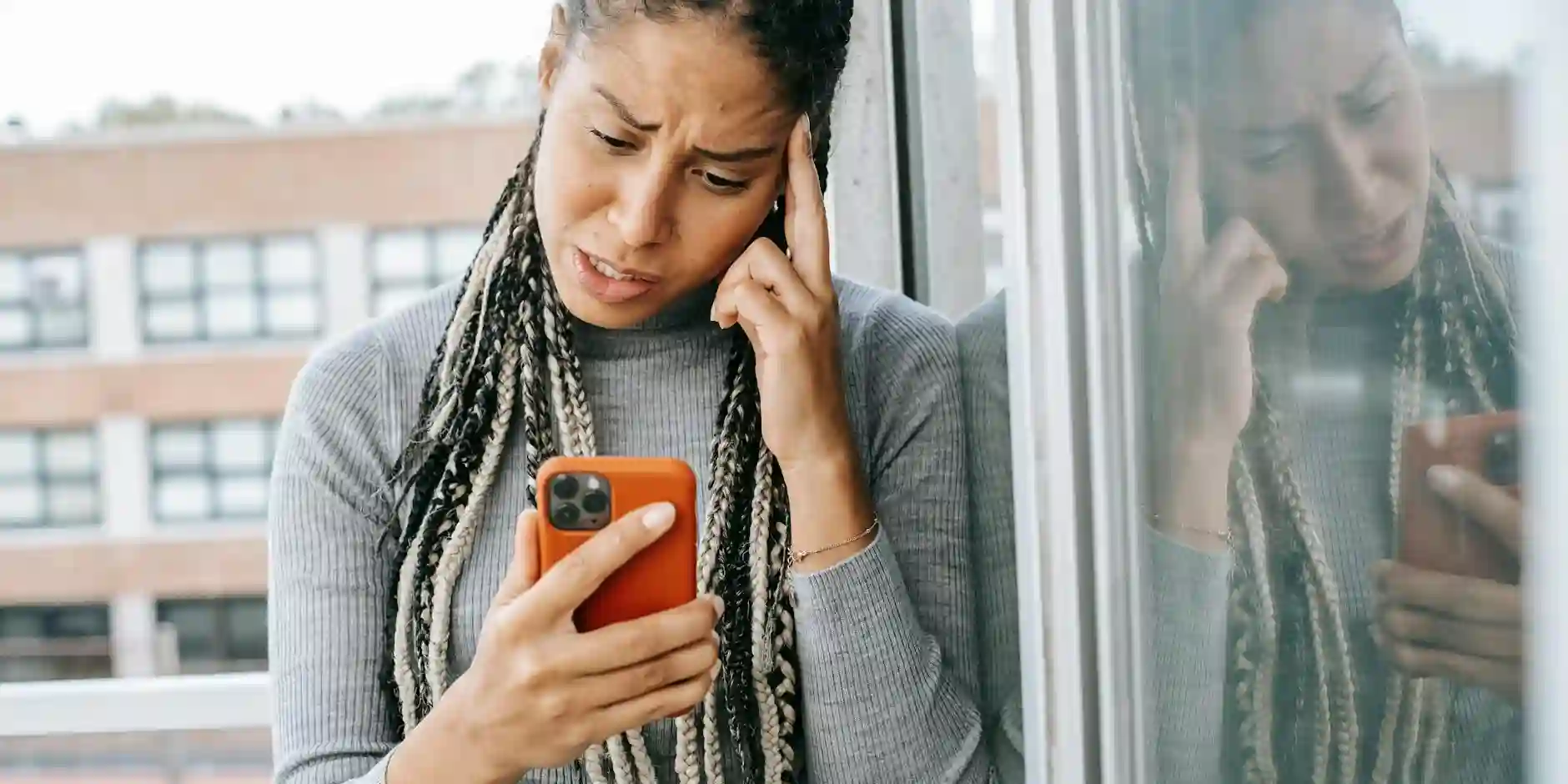
Top Tips for Managing Negative Comments on Social Media Platforms
Discover effective strategies for managing negative comments on social media to protect your brand's reputation.



Discover effective strategies for managing negative comments on social media to protect your brand's reputation.
In the realm of social media, negative comments can often feel like an unavoidable part of the experience. Whether they stem from misunderstandings, differing opinions, or outright hostility, it's crucial to understand the nature of these comments. Recognising that most people express their feelings online based on personal experiences can help manage the emotional impact they may have on you or your brand.
Crafting a thoughtful response to negative comments is an art. It’s not just about damage control, but also about turning potentially harmful interactions into opportunities for engagement.
When faced with negativity, it’s essential to maintain composure. A calm, reasoned response can often diffuse tension and demonstrate professionalism.
Show empathy by acknowledging the commenter’s concerns. This can help validate their feelings and demonstrate that you are attentive to feedback.
Cultivating a positive atmosphere on your social media platforms is vital for mitigating negative comments. Engaging with your audience through positivity can preemptively curb negativity.
Invite your audience to share their positive experiences and feedback. This can shift the focus away from negative comments and foster a more supportive community.
Implementing a moderation policy can help you manage the types of comments that appear on your platform. Establish clear guidelines on acceptable behavior to maintain a respectful dialogue.
Sometimes, negative comments can escalate beyond mere disagreement. It’s essential to recognise when a comment crosses the line into harassment or abuse.
If comments become abusive or threatening, do not hesitate to report them to the respective social media platform. Protecting your brand’s integrity and safety should always be a priority.
In certain cases, blocking users who consistently engage in negative behavior may be necessary. This preserves the overall health of your online community.
| Strategy | Purpose | Example |
|---|---|---|
| Stay Calm | To maintain professionalism | Respond thoughtfully without emotion |
| Acknowledge Concerns | To validate feelings | "I understand why you feel this way…” |
| Encourage Positive Feedback | To shift focus | "We love hearing your positive stories!" |
Ultimately, managing negative comments is just one facet of a broader strategy to build and maintain a positive online reputation. Regularly engaging with your audience and showcasing your brand’s values can set the stage for a more favourable digital presence.
Ensure that your tone and messaging remain consistent across all platforms. This builds trust and reliability, making it less likely for negative comments to arise.
Regularly sharing positive content, achievements, or customer testimonials can help create a buffer against negativity and reinforce your brand’s reputation.
Handling negative comments on social media effectively requires a mix of empathy, professionalism, and strategic action. By understanding the nature of negativity, responding thoughtfully, and fostering a positive environment, you can transform challenges into opportunities, ultimately enhancing your digital reputation.
Was this helpful? 

Compare prices for Online Reputation Management in UK now
© 2026 repuserve.co.uk. All Rights Reserved. Repuserve – Elevate your online image, empower your future.